Today it’s a big day. We have come through a long road, and our research now will pay off. Today, we are talking about design thinking. After all of our explanation about thinking skills and creativity, we are merging our knowledge into the application field, in this case: design thinking.
«Design thinking is a human-centered approach to innovation that draws from the designer’s toolkit to integrate the needs of people, the possibilities of technology, and the requirements for business success.»
– TIM BROWN, EXECUTIVE CHAIR OF IDEO
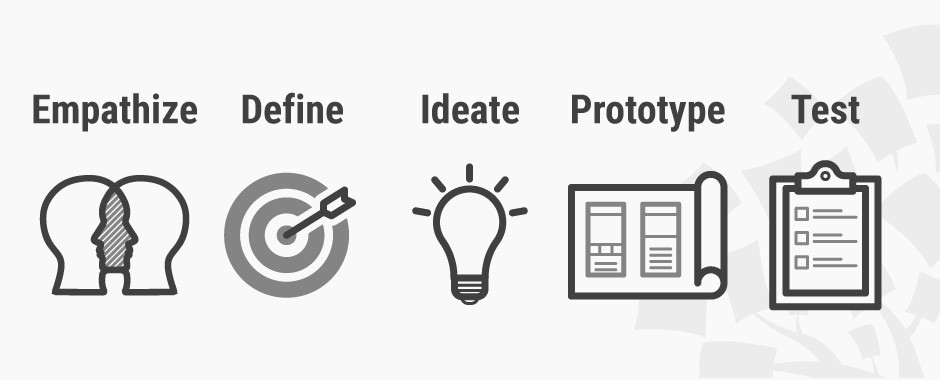
In design thinking, there is a whole process to follow that could lead us to a great outcome along with different tools to help us. We can use our basic thinking skills like observation, then the empathize, brainstorming, prototype and lastly, the test.
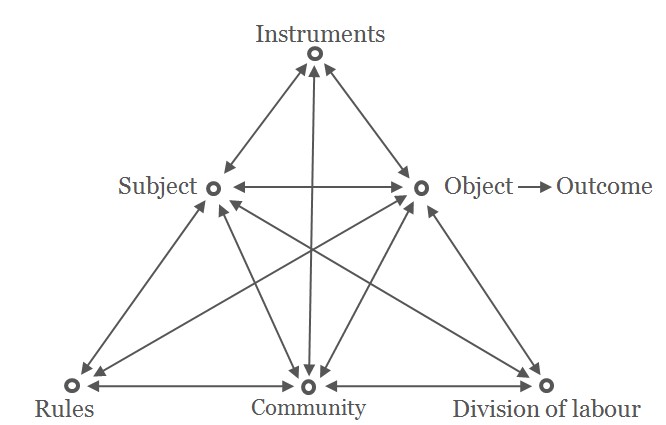
Observation, we have very much covered what it is, and as we explained in our previous blog, it’s a basic skill. Here would help us to look for the problem, by observing whether peoples behaviours or actions and see what’s wrong or what could be improved. Thankfully, there is a tool for this step, which is called activity theory, it helps us besides the fact of just observing, to think about everyone that it’s involved and organize our ideas.
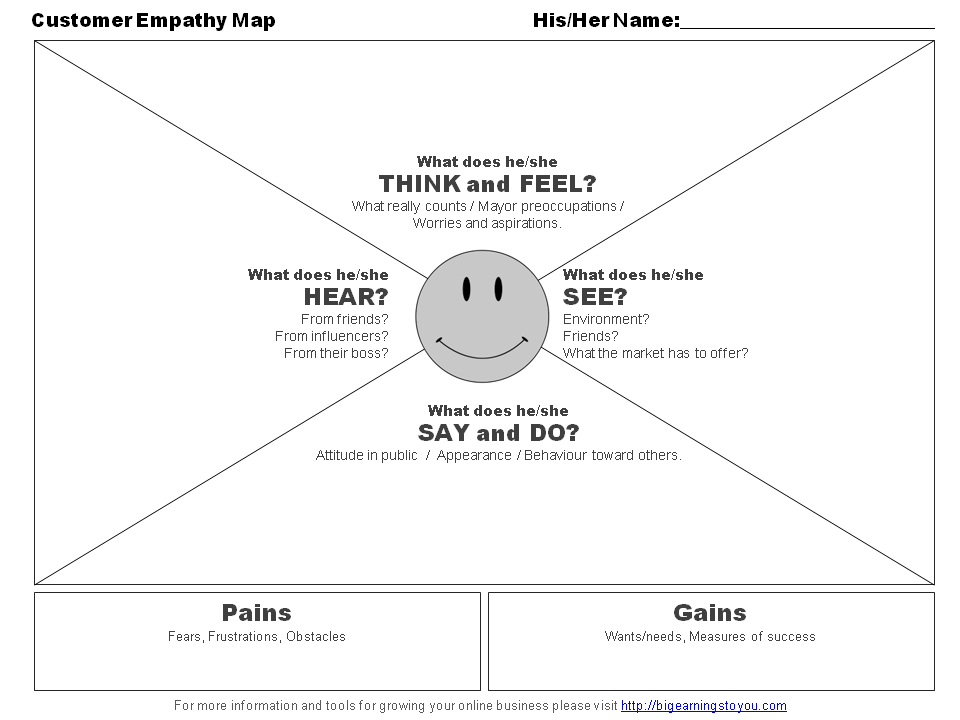
Now that we have defined the problem, the next stage is to understand beyond itself the problem and for that, we need to empathize with it, to be the subject and comprehend their necessities. There are two useful tools for this, we could do a role play or another map (don’t blame me, I love maps).
The empathy map is a collaborative visualization used to articulate what we know about a particular type of user. It externalizes knowledge about users to create a shared understanding of user needs and aid in decision making.
Till this point, you should understand your problem and the affected user entirely that you want to help. Brainstorming now, thinking ideas (our divergent thinking) and then analyzing them (convergent thinking) to choose the best one that could fulfil the need of our user.
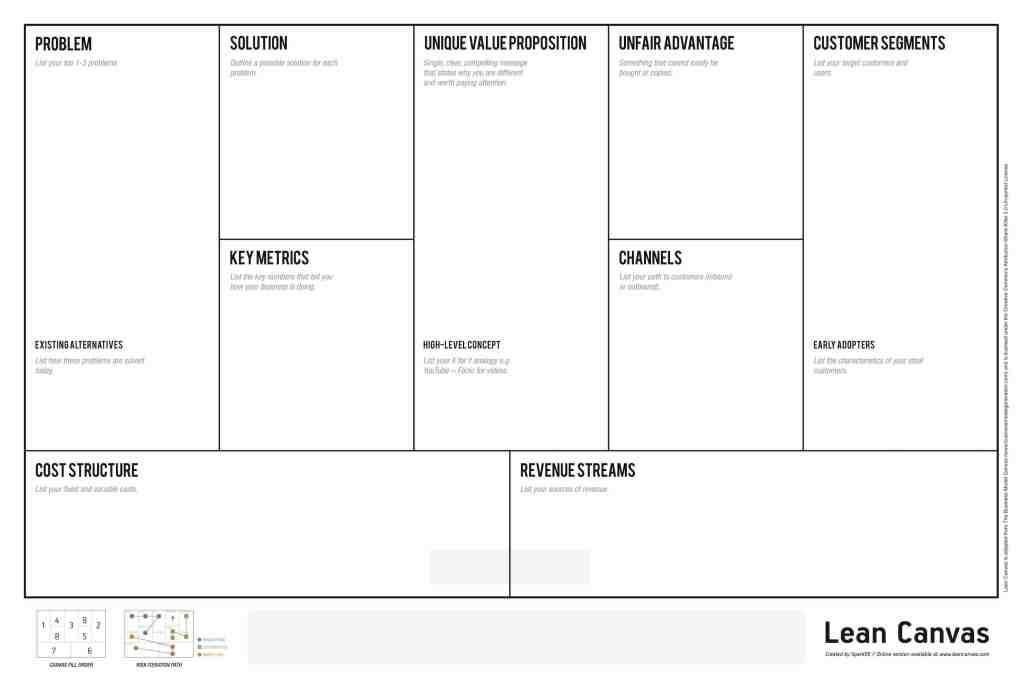
The prototype and the testing are essential steps, this varies since it depends on the business model, your objective, your target market, among other things. For that, I honestly recommend business lean canvas for you to see how your project could work and with it to see if there is room for more improvement.
With that said, I hope you liked this blog and if you have any questions don’t doubt asking me.
References:
https://designthinking.ideo.com/
https://www.interaction-design.org/literature/topics/design-thinking

